
Boston is often presented as the birthplace of American liberty. Visitors hear about rebellious colonists, revolutionary speeches, Paul Revere's ride, and the first shots of the Revolutionary War.
But walk several blocks north of Boston Common, onto the quieter side of Beacon Hill, and that familiar story becomes more complicated.
Here, Black Bostonians confronted a question the Revolution had failed to answer: What did freedom mean in America while millions of people remained enslaved?
The Black Heritage Trail Boston route leads to the homes, schools, churches, and gathering places of the people who forced the city—and eventually the country—to reckon with that contradiction. These were not secondary figures standing at the edge of someone else's history. They were organizers, writers, veterans, teachers, business owners, conductors on the Underground Railroad, and some of the most determined Boston abolitionists of the 19th century.
This guide explains where the trail begins, what to see, how long to allow, and how to plan a self-guided Black Heritage Trail tour that goes beyond simply checking buildings off a map.
What Is the Black Heritage Trail?
The trail traces the development of a free Black neighborhood that turned Beacon Hill into a center of abolitionism, education, political organizing, and resistance.
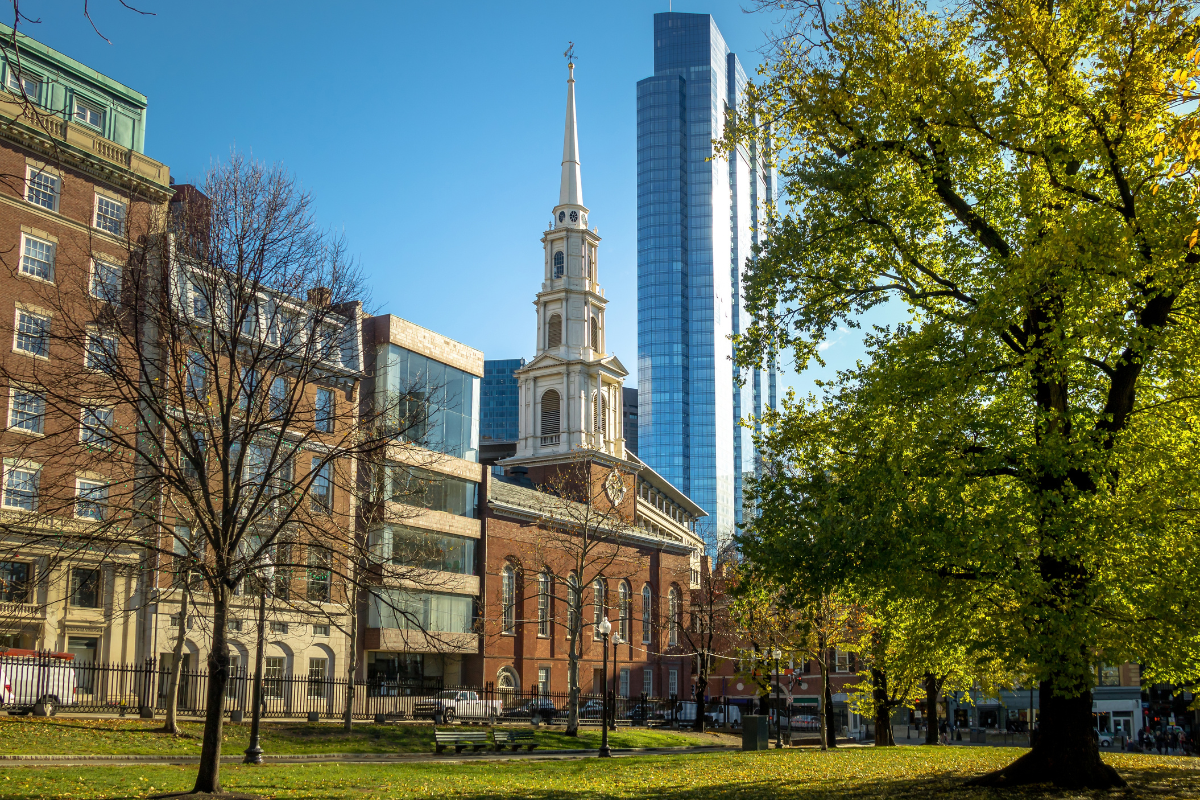
The Black Heritage Trail Boston route is part of Boston African American National Historic Site, a partnership between the National Park Service and the Museum of African American History.
Its buildings tell the story of Boston's 19th-century Black community, particularly the community that developed on Beacon Hill's north slope. By the decades before the Civil War, this neighborhood had become an important center of the national struggle against slavery.
That history cannot be reduced to the Underground Railroad story alone.
Residents fought segregated education, created mutual-aid organizations, established churches, published antislavery arguments, organized political meetings, assisted people escaping slavery, and recruited Black soldiers during the Civil War. Many of the Boston abolitionists connected to this neighborhood were not distant supporters of the movement: they turned their homes, businesses, schools, and places of worship into an active network of resistance.
Their work was not simply about ending slavery in distant Southern states. It was also about challenging discrimination in supposedly free Massachusetts.
Why Beacon Hill Became a Center of Black Activism
Beacon Hill's Black community built the institutions necessary to turn individual resistance into an organized movement.
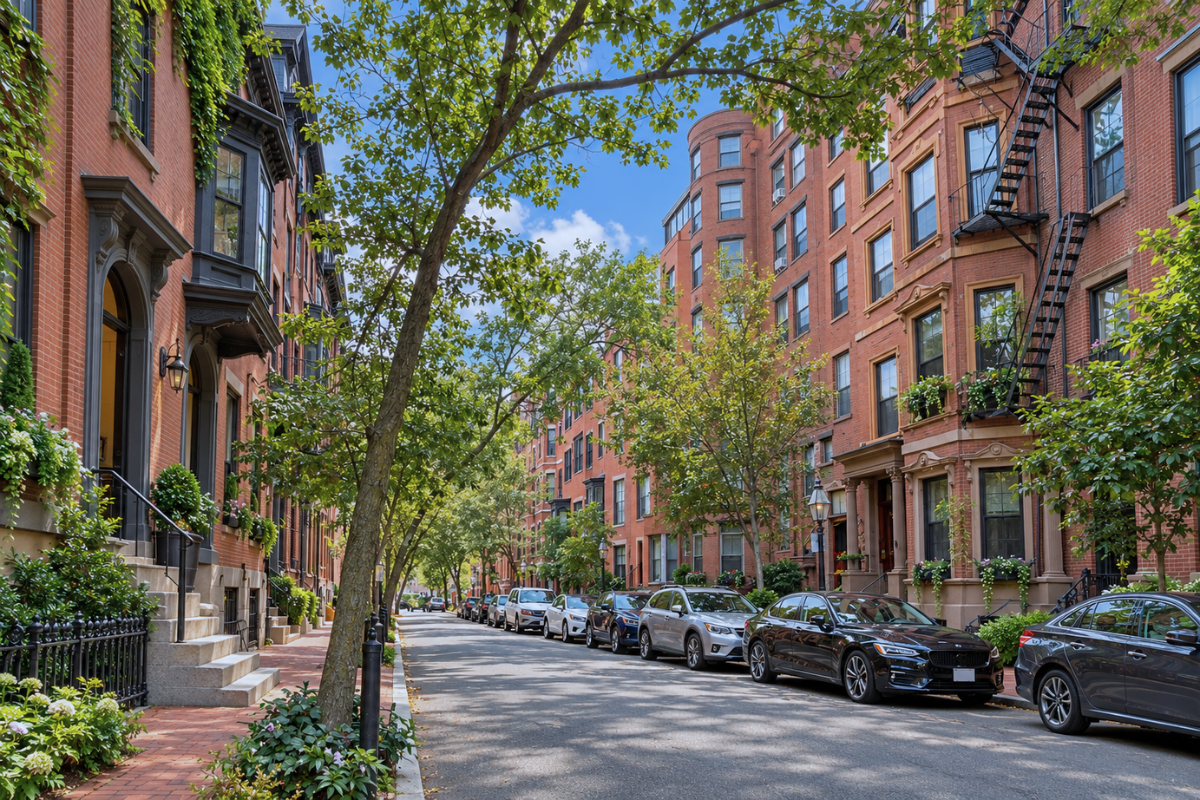
Today, Beacon Hill is known for expensive townhouses, gas lamps, narrow streets, and carefully preserved architecture. That polished image can make it difficult to imagine the neighborhood as a place of political urgency. Following the Black Heritage Trail Boston route reveals a very different side of Beacon Hill.
During the 19th century, the north slope was home to one of Boston's most significant Black communities. Its residents included laborers, sailors, clothes dealers, barbers, teachers, writers, ministers, and entrepreneurs.
Some had been born free. Others had escaped slavery. Still others were descended from people who had lived in New England for generations.
What made the neighborhood powerful was not simply the presence of notable individuals. It was the density of their relationships.
A home could become a refuge. A church could become a lecture hall. A school could become the focus of a desegregation campaign. A barbershop could become a place where information moved through the community. A neighborhood association could provide support that official institutions refused to offer.
The abolitionist movement depended on this infrastructure. The Boston abolitionists needed more than famous speeches: they needed rooms, routes, money, meals, legal assistance, printing networks, and people willing to place themselves at risk. Beacon Hill provided the human and physical connections that transformed antislavery convictions into organized action.
Where Does the Black Heritage Trail Start?
The route begins at the Robert Gould Shaw and Massachusetts 54th Regiment Memorial, where the struggle for Black citizenship is represented through military service and sacrifice.
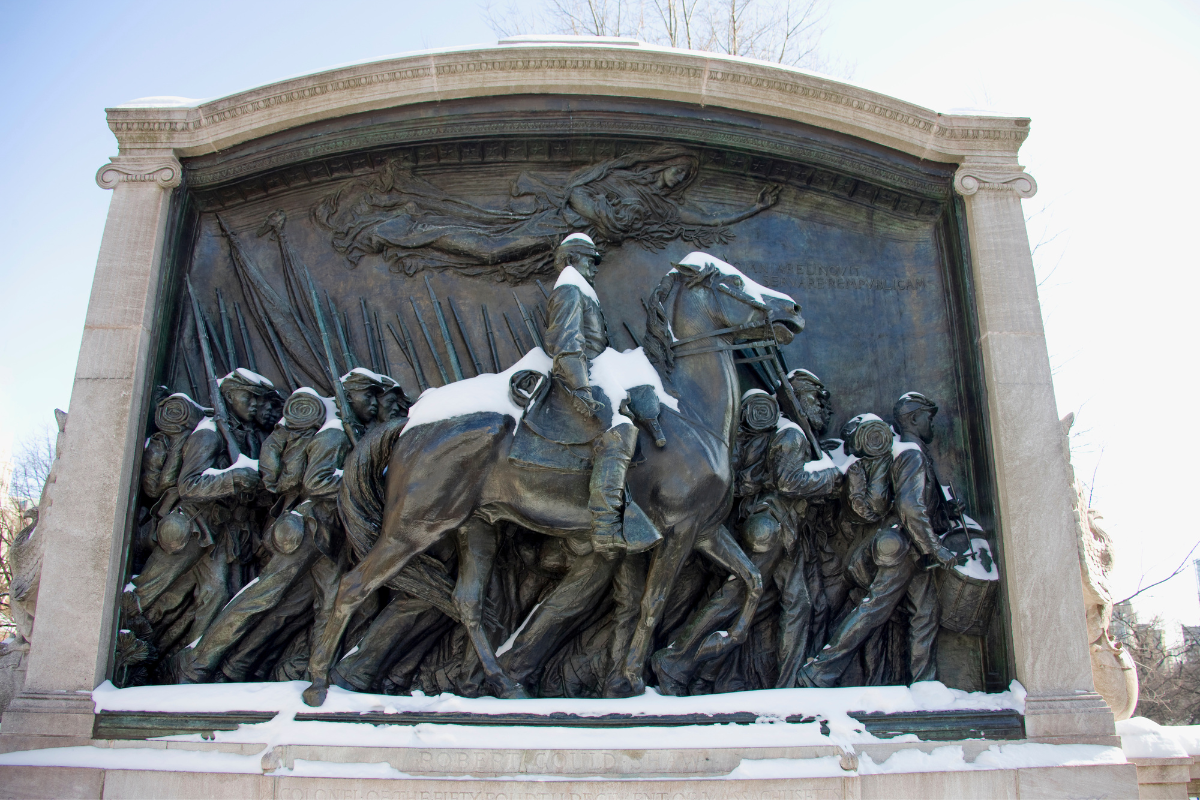
The official Black Heritage Trail Beacon Hill route begins at the Robert Gould Shaw and Massachusetts 54th Regiment Memorial on Beacon Street, directly across from the Massachusetts State House.
The memorial depicts Colonel Robert Gould Shaw and members of the 54th Massachusetts Volunteer Infantry, one of the first Black regiments organized in the North during the Civil War.
Although Shaw occupies a prominent position in the monument, the deeper story belongs to the Black soldiers marching beside him. Men traveled from across the United States, Canada, and the Caribbean to enlist. Frederick Douglass and Boston activists, including Lewis Hayden, helped recruit them.
The regiment's assault on Fort Wagner in South Carolina demonstrated the courage and military ability of Black troops at a time when racist opposition still restricted their participation in the war. More than 180,000 Black soldiers ultimately served in the United States forces during the Civil War.
Beginning here also reveals something about public memory. For years, visitors often encountered the regiment through Shaw's name rather than through the identities and experiences of the enlisted men. A thoughtful visit should reverse that emphasis: look at the individual faces in the bronze relief and consider the people who had to fight for the right to fight.
Walking the Black Heritage Trail Beacon Hill Route
The most meaningful way to explore the trail is to follow the transformation of Black activism—from community formation and education to abolition, direct resistance, and military service.
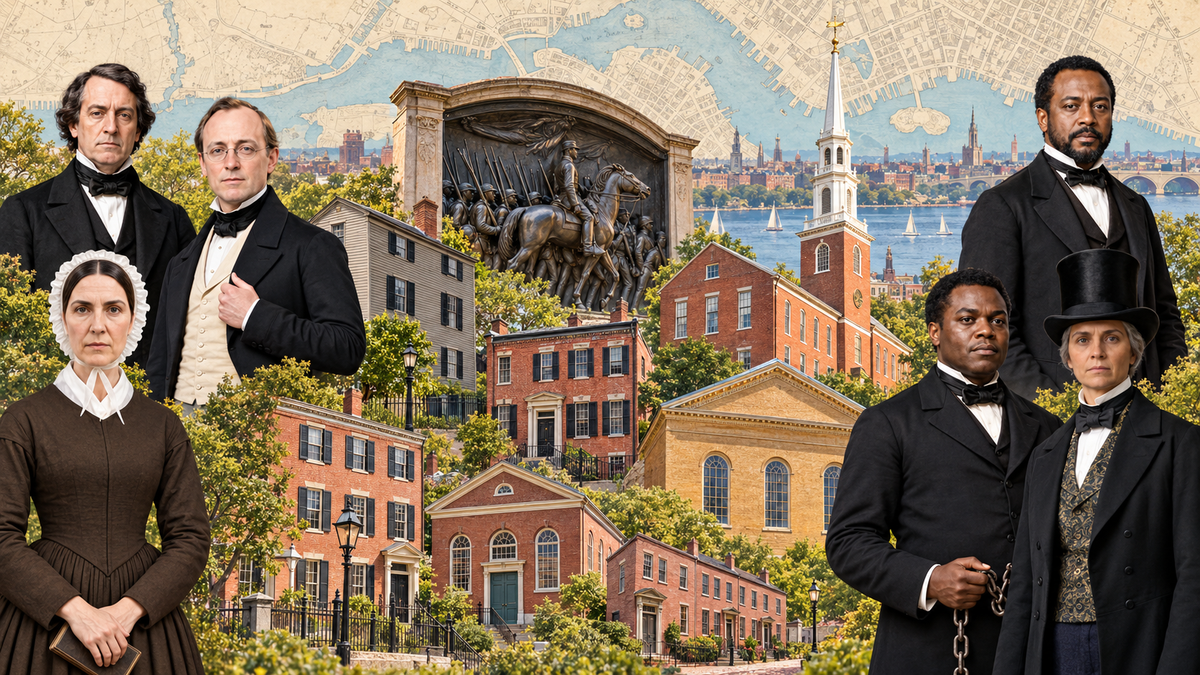
The official route contains 14 sites, but several are groups of private residences rather than conventional attractions. The following sections organize the walk by story rather than treating every plaque as an isolated stop.
1. Robert Gould Shaw and Massachusetts 54th Regiment Memorial
The trail opens with Black military service, showing how the Civil War transformed abolition from a political campaign into an armed struggle over the country's future.
Before continuing along the Black Heritage Trail Boston route, look beyond the memorial's immediate Civil War context. Black Bostonians had already spent decades arguing that citizenship required more than theoretical liberty. Military service became a major milestone in that longer struggle.
The 54th Regiment's story, therefore, does not stand apart from the rest of the trail. It represents one result of the organizing that took place in the neighborhood you are about to enter.
2. George Middleton House
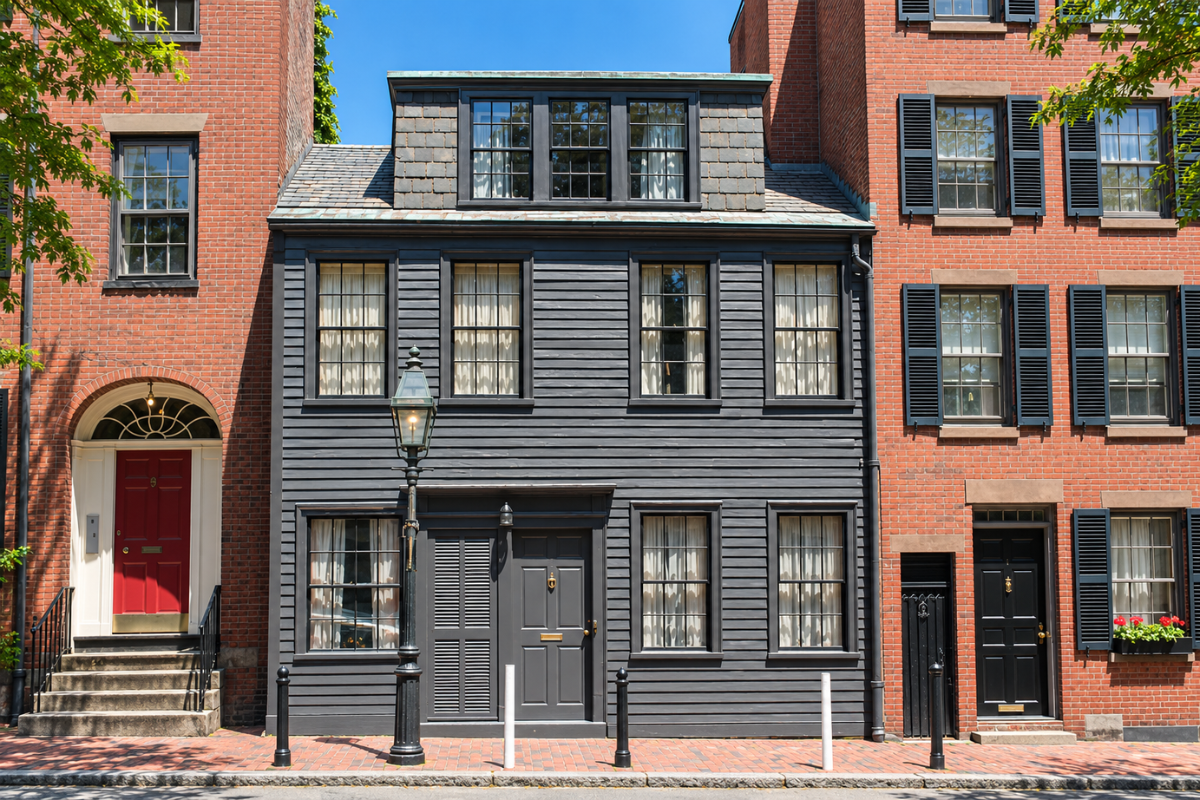
This modest wooden house connects Boston's Revolutionary history to the Black community that continued demanding the promises of that Revolution.
The George Middleton House is one of the oldest surviving homes on Beacon Hill. Middleton was a Black Revolutionary War veteran, community leader, activist, and a Prince Hall Mason.
His presence challenges the assumption that Black history in Boston begins with the abolitionist movement. Black men served in the American Revolution, lived in cities, formed organizations, and participated in civic life long before the Civil War.
3. The Phillips School
The Phillips School represents the campaign to end segregated education and exposes the limits of equality in antebellum Boston.
The Phillips School originally served white children. It became one of Boston's first integrated public schools after Massachusetts prohibited school segregation in 1855.
That change did not happen because Boston naturally progressed toward fairness. Black families and activists pressured the city for years. Among the most important campaigners were Benjamin Roberts, whose daughter Sarah was required to attend a distant, segregated school, and William Cooper Nell, a Black abolitionist, author, and historian.
The school illustrates why the phrase "free Black community" needs context. Black residents were legally free, yet still had to organize against discriminatory schools and unequal public institutions.
4. John J. Smith House
John J. Smith's life shows how Black businesses, political leadership, Underground Railroad activity, and community defense often overlapped.
Born free in Virginia, John J. Smith moved to Boston and worked as a barber. He became an abolitionist, assisted freedom seekers, recruited soldiers for Black Civil War regiments, and later served in the Massachusetts legislature.
Smith also participated in the 1851 rescue of Shadrach Minkins, a man who had escaped slavery and was arrested in Boston under the Fugitive Slave Act.
That episode reveals a side of abolitionist history that walking tours sometimes soften. Resistance was not always limited to writing essays and delivering speeches. When federal law empowered slave catchers in Boston, local activists sometimes responded through direct action.
5. Charles Street Meeting House
The Charles Street Meeting House reflects both interracial abolitionist cooperation and the prejudice Black worshippers encountered inside religious institutions.
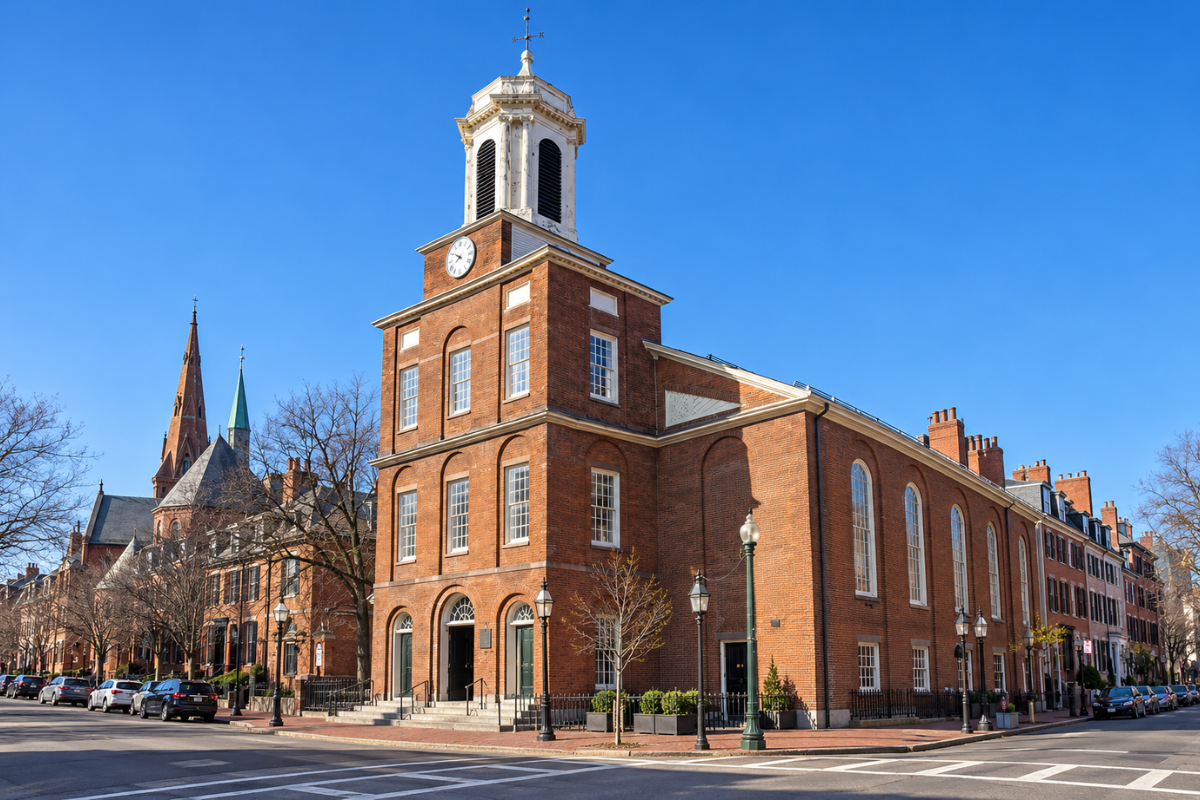
Built in the early 19th century, the meeting house served several congregations and reform movements over time. Its history includes antislavery organizing, but it also illustrates discrimination within religious spaces.
Black congregants were once restricted to segregated seating. That detail matters because churches were not automatically safe or equal spaces simply because some members opposed slavery.
The building asks visitors to distinguish between opposing slavery as an abstract evil and accepting Black people as equal participants in everyday civic life. Boston contained people who supported the first position while resisting the second.
6. Lewis and Harriet Hayden House
The Lewis Hayden House was not merely a symbolic Underground Railroad stop; it was an active site of protection, strategy, and personal risk.
The Lewis Hayden House, at 66 Phillips Street, was the home of Lewis and Harriet Hayden, both of whom escaped slavery in Kentucky before reaching Boston.
Their house became an important station on the Underground Railroad and a gathering place for abolitionists. The Haydens sheltered freedom seekers despite the danger created by the Fugitive Slave Act of 1850, which allowed people who had escaped slavery to be captured even in free states.
Lewis Hayden was also a businessman, a recruiter for the 54th Massachusetts Regiment, a political organizer, and a member of the Massachusetts legislature.
It is tempting to describe Underground Railroad sites as secret, almost romantic hiding places. That framing can obscure the real stakes. The people inside these homes were confronting a federal system that treated human beings as recoverable property. Assistance could carry legal, financial, and physical consequences.
The house remains a private residence. View it respectfully from the public sidewalk.
7. John Coburn House
John Coburn's home reveals how economic independence and organized community defense supported the abolitionist cause.
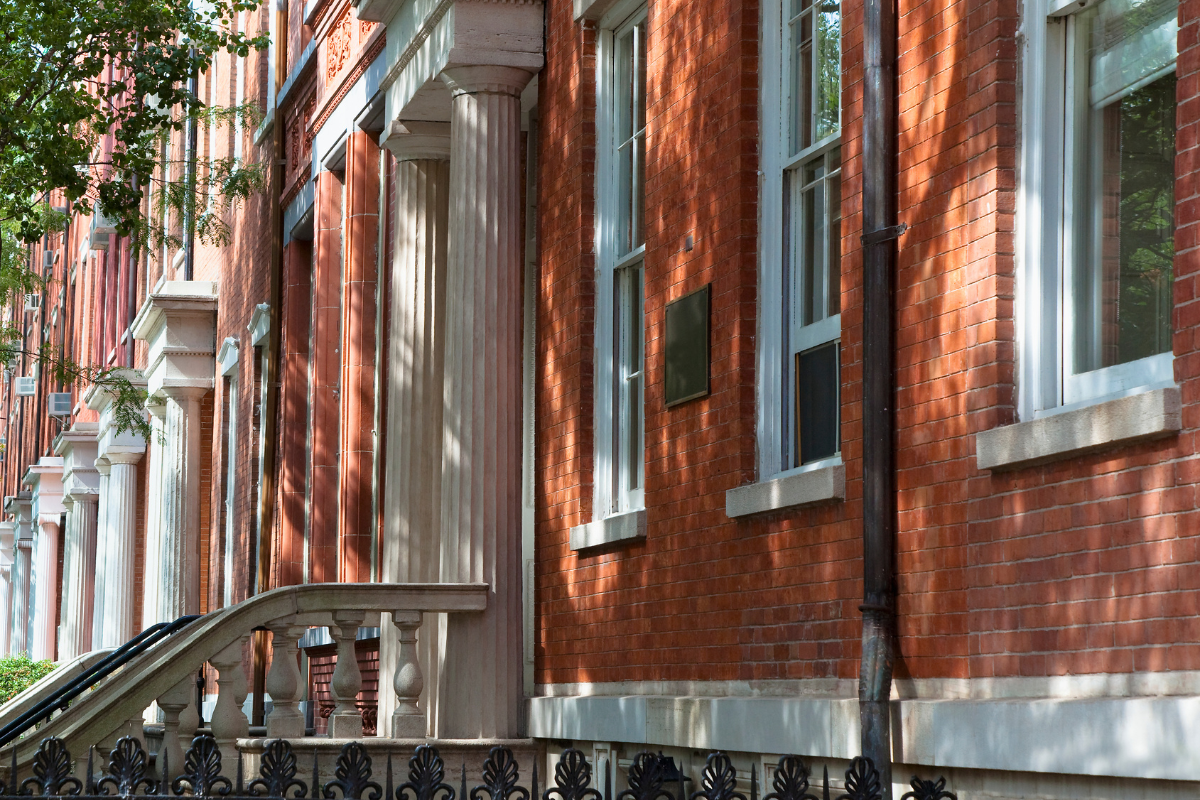
John P. Coburn was a clothes dealer, activist, and member of Boston's Black community. Like several people represented on the trail, he assisted freedom seekers and participated in organized resistance to slave catchers.
His story broadens the definition of an abolitionist. Abolition was not a profession reserved for famous lecturers. It was work conducted by business owners, neighbors, tradespeople, and families who used whatever resources they possessed.
The John Coburn House is also a private residence, so the exterior should be observed without entering the property.
8. Smith Court Residences
The Smith Court homes preserve the domestic scale of Black Beacon Hill, where ordinary households sustained extraordinary political work.
Smith Court contains several historic residences associated with Black tenants, property owners, abolitionists, and community leaders.
These homes are valuable precisely because they resist the "great man" version of history. A movement cannot survive on speeches alone. It requires stable housing, family networks, employment, shared information, childcare, food, and neighbors who recognize when someone needs help.
William Cooper Nell, one of the first published Black historians in the United States, lived at 3 Smith Court. Nell campaigned against segregated schools and documented Black participation in American military history.
His work raises a larger question: Who gets to preserve a community's history when established institutions ignore it? Nell did not merely participate in reform. He recognized that recording Black achievement was itself a form of resistance.
9. Abiel Smith School
The Abiel Smith School preserves both the achievement of Black education and the injustice of requiring Black children to learn separately.
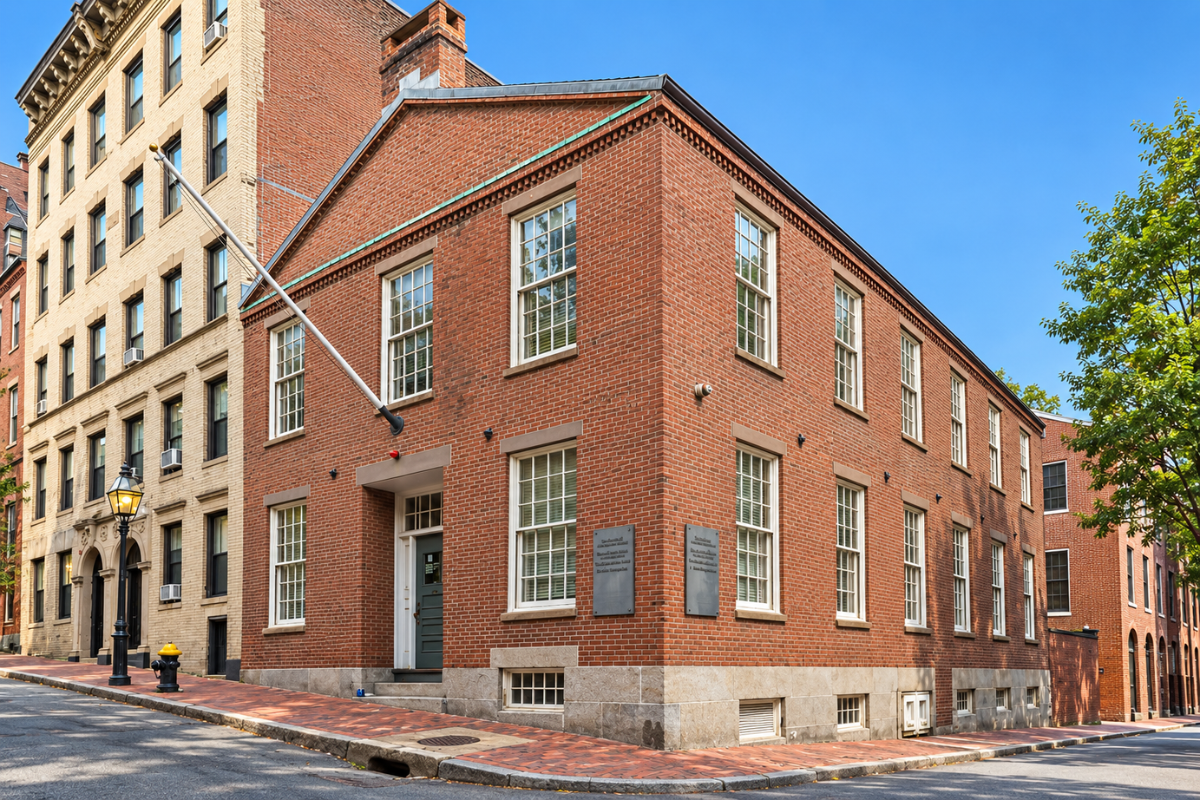
Opened in 1835, the Abiel Smith School was built to educate Black children. It was one of the first public school buildings in the United States constructed specifically for African American students.
That description can sound celebratory until the contradiction becomes clear. The school gave children access to education, but it also formalized segregation.
Black parents and activists eventually challenged the separate system. Some withdrew their children and organized alternative classes at the African Meeting House. Their campaign contributed to Massachusetts' ban on public-school segregation in 1855.
Today, the building forms part of the Museum of African American History and is one of the principal indoor destinations on the route. Maps and trail information may be available here during operating hours. Check the Museum of African American History before visiting, since admission requirements and opening times can change.
10. African Meeting House
The African Meeting House was the institutional heart of Black Beacon Hill: church, school, assembly hall, recruitment center, and platform for national debate.
Built in 1806, the African Meeting House is considered the oldest surviving Black church building in the United States.
Its importance comes not from age alone but from the range of activities it encompasses. It served as a religious center, classroom, lecture hall, political meeting place, and organizing space.
Maria Stewart, Frederick Douglass, William Lloyd Garrison, Sarah Grimké, and Wendell Phillips were among the speakers associated with the building. The New England Anti-Slavery Society was founded there in 1832, and organizations assisting freedom seekers also gathered within its walls.
During the Civil War, the meeting house became a recruitment site for the 54th Massachusetts Regiment. This creates a powerful connection with the memorial where the trail begins: the route opens with the soldiers' public commemoration and closes near one of the places where men were called to enlist.
The People Behind Boston's Abolitionist Movement
The trail becomes more meaningful when abolition is understood as a community network rather than the achievement of a handful of celebrated speakers.
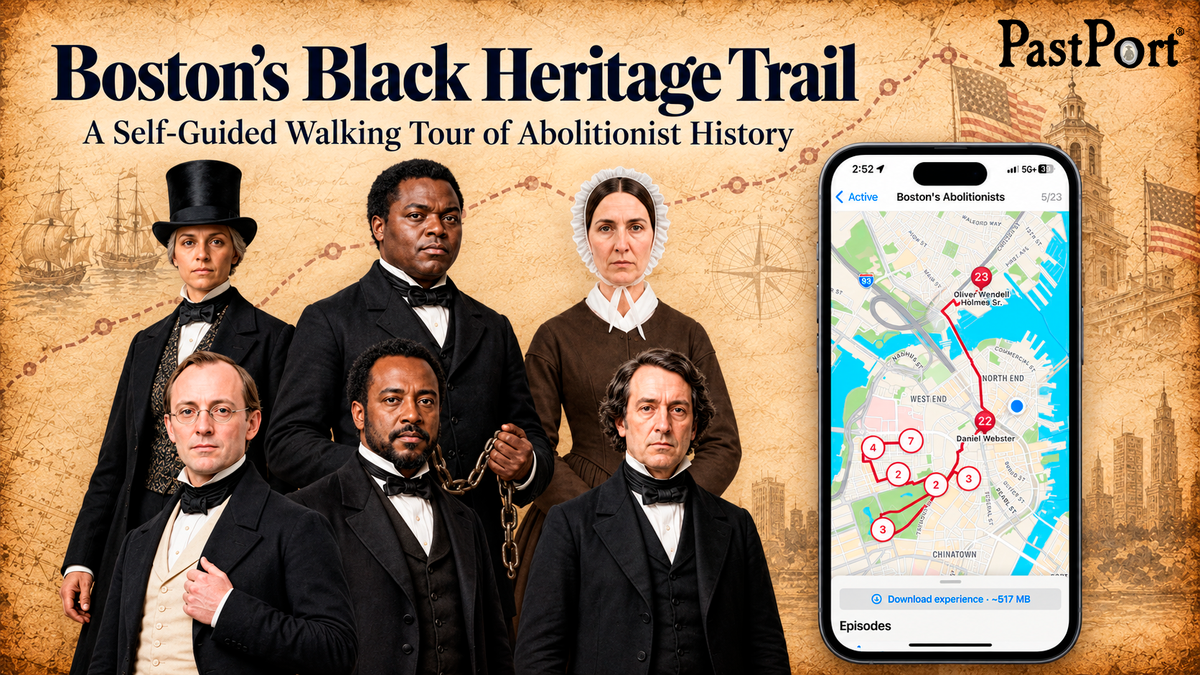
Several nationally known figures appear in the history of Black Beacon Hill, but the neighborhood's influence stemmed from interactions between prominent orators and residents.
Lewis and Harriet Hayden
The Haydens transformed their experience of enslavement into sustained political and practical resistance.
After escaping slavery, Lewis and Harriet Hayden made their Boston home available to others seeking freedom. Lewis also worked in politics, helped recruit Black soldiers, and supported abolitionist organizing.
Harriet is often mentioned only as Lewis's wife, a familiar problem in accounts of the Underground Railroad. Yet maintaining a home used for shelter and organizing required her participation and exposed her to the same danger.
William Cooper Nell
Nell understood that gaining rights and controlling the historical record were connected struggles.
Nell campaigned for school integration and wrote histories documenting Black military service. He recognized that excluding Black people from historical narratives helped justify excluding them from full citizenship.
His work remains especially relevant in Boston, where tourism has traditionally emphasized a narrow cast of Revolutionary figures.
Maria Stewart
Stewart challenged both slavery and the restrictions placed on Black women's public voices.
Maria Stewart became one of the first American women to address public audiences about political issues. Her speeches confronted racism, inequality, education, and the limited opportunities available to Black women.
Her role complicates the idea that abolitionist leadership belonged mainly to white reformers or famous male speakers.
Frederick Douglass
Douglass used Boston's abolitionist networks to build a national platform while also developing his independence as a political thinker.
After escaping slavery, Frederick Douglass became one of the country's most influential speakers and writers. He addressed audiences connected with the African Meeting House and helped recruit Black soldiers during the Civil War.
Boston was important to his rise, but Douglass should not be treated as the beginning and end of the city's Black abolitionist history. The community institutions already operating here helped make his public work possible.
Black Heritage Trail vs. Freedom Trail
The Freedom Trail asks how colonists resisted British authority. The Black Heritage Trail asks what happened when the new nation failed to extend its declared principles to everyone.
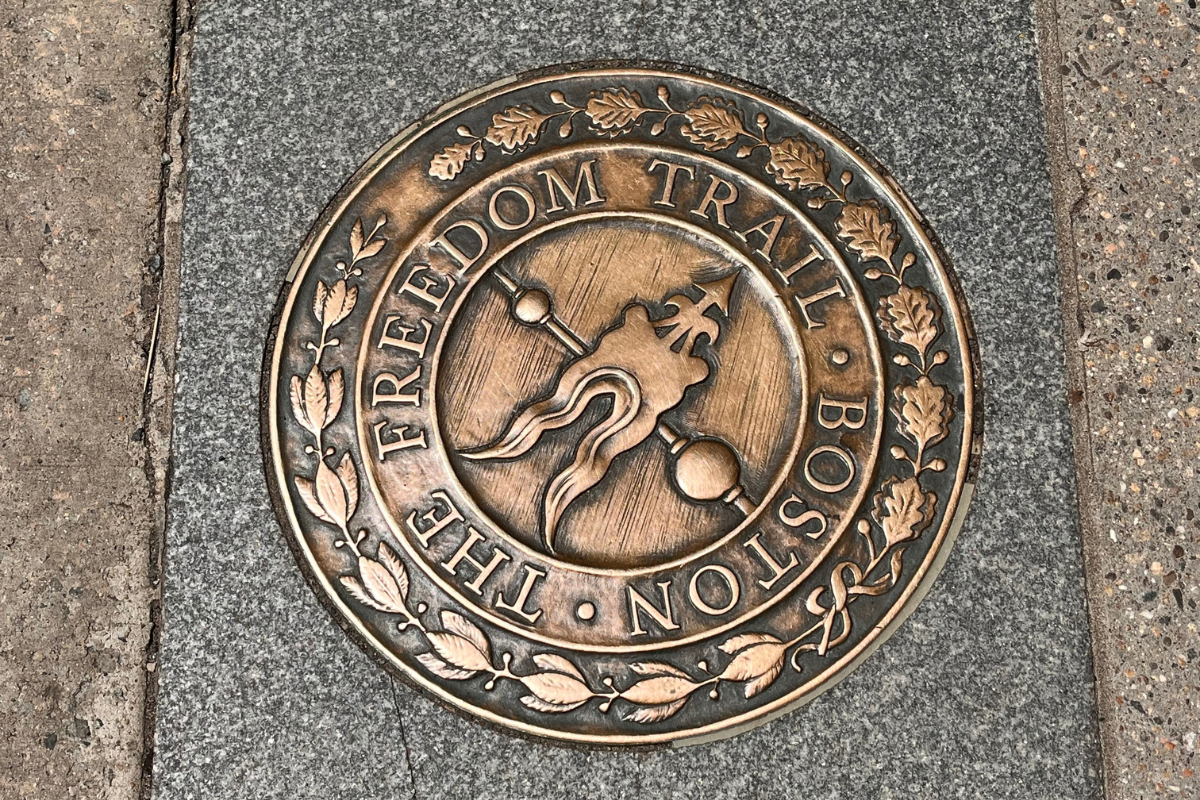
Walking only the Freedom Trail can leave visitors with the impression that Boston's great struggle for liberty ended with independence. Walking both routes shows that the struggle continued—and that some of the people who most clearly identified the Revolution's unfinished work lived only a few streets away.
For travelers comparing Boston walking tours, the strongest approach is not necessarily to choose one trail over another. It is to use the second trail to question what the first one leaves unresolved.
How Long Is the Black Heritage Trail?
Although the official tour length is around 90 minutes, the best schedule depends on whether you want an outdoor overview or a deeper museum visit.
The route is approximately 1.6 miles long. A ranger-led walk typically takes around 60 to 90 minutes.
For a self-guided visit, plan according to your interests:
- 60–75 minutes: Brisk exterior walk with short stops.
- 90 minutes: Comfortable pace with time to read markers and discuss key sites.
- Two hours: Slower walk with photography, notes, and additional context.
- Two to three hours: Full route plus the Museum of African American History, depending on current admission and opening hours.
Distance alone is misleading. Beacon Hill has slopes, brick sidewalks, narrow passages, and uneven surfaces. You may cover only 1.6 miles, but the walk can feel more demanding than a flat urban route.
Is the Black Heritage Trail Free to Walk?
The outdoor trail is free and can be followed independently, although indoor museum access may require a ticket or admission fee.
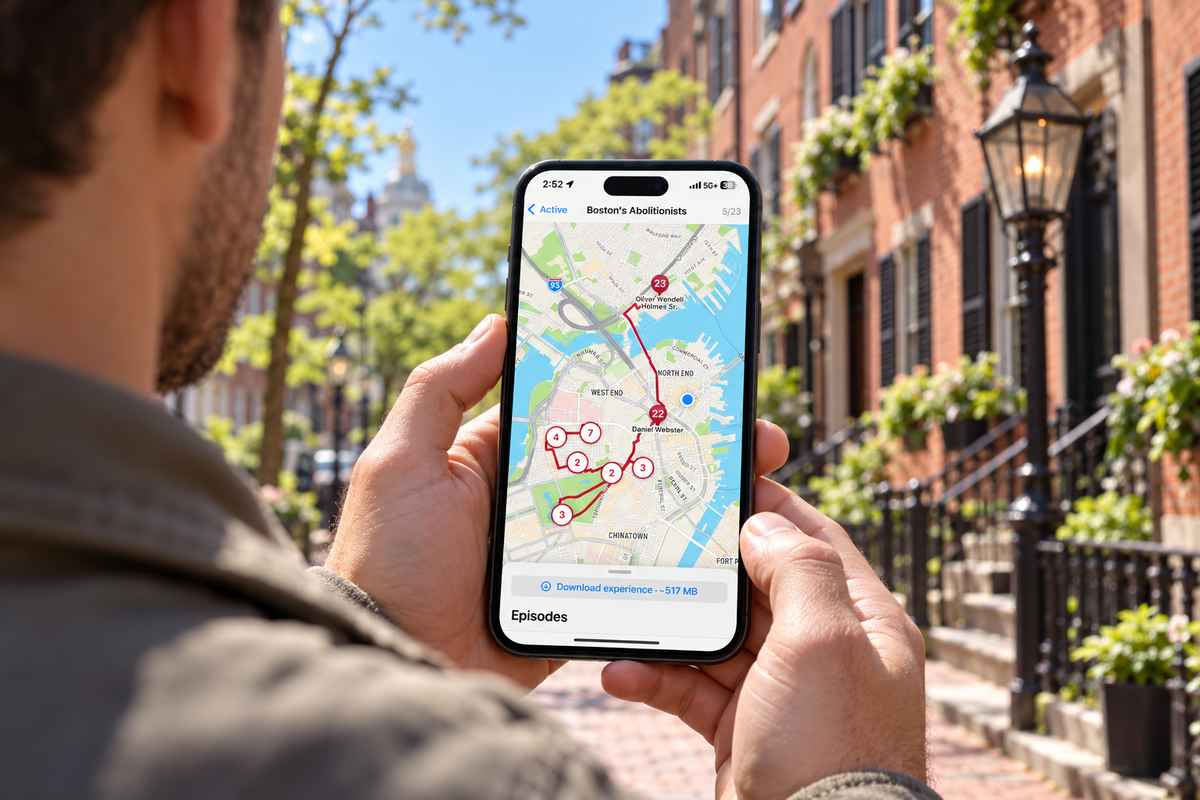
Yes. The outdoor self-guided Black Heritage Trail tour is free to walk.
National Park Service ranger programs are also generally free, but reservations may be required, and tours operate seasonally. The Museum of African American History manages the African Meeting House and Abiel Smith School, so their hours, reservations, and admission policies should be checked separately.
Most historic homes on the route remain private residences. They are not visitor attractions, even when a plaque identifies their historic significance.
This distinction is worth respecting. The trail passes through a living neighborhood, not an open-air museum created solely for tourism.
Where Can You Get a Self-Guided Map or Audio Guide?
Visitors can use official maps and digital resources, while more immersive tools can connect the Beacon Hill route to Boston's wider abolitionist landscape.
The National Park Service offers a virtual Black Heritage Trail and information through the NPS app. Printed maps and brochures may also be available at the Abiel Smith School or the National Park Visitors Center at Faneuil Hall during operating hours.
A traditional map is useful for navigation, but it has limitations. Many stops look like ordinary residences from the street. Without deeper interpretation, visitors may reach the correct address without understanding what happened there—or how that place connects to the next one.
For a broader experience, PastPort's 20+-stop Abolitionists tour expands the story beyond a simple list of buildings. It helps visitors follow the people, conflicts, and decisions behind Boston's antislavery movement as they move through the city at their own pace.
That distinction matters: the 20+-stop experience is not a replacement for the official 14-site Black Heritage Trail. It is an extended interpretive route that connects the searched trail with Boston's wider abolitionist history.
Practical Tips for Your Self-Guided Walk
Preparation matters because the route combines an active residential neighborhood, historic streets, changing museum schedules, and limited indoor access.

Start in the morning
Beacon Hill is often quieter earlier in the day. Morning light is also better for seeing architectural details and photographing streets without heavy pedestrian traffic.
Check museum hours first
The outdoor trail can be walked at any time, but the African Meeting House and Abiel Smith School follow separate operating schedules. If you want to enter the museum, build your itinerary around its hours.
Wear shoes suitable for uneven streets
Beacon Hill's brick sidewalks, slopes, and narrow passages are atmospheric but not always comfortable. Choose practical footwear, especially in wet or icy weather.
Bring headphones
If you use an audio or app-based guide, headphones help you hear the story without disturbing residents.
Do not enter private property
Several important houses—including the Lewis and Harriet Hayden House and John Coburn House—remain private. Observe them from the sidewalk and avoid blocking entrances.
Allow time for Smith Court
Do not rush through the final cluster of sites. The residences, school, and meeting house illustrate how domestic, educational, religious, and political life supported one another. Boston’s Museum of African American History at 6 Joy St offers fascinating exhibits, programs, and education activities that showcase the powerful stories of Black families who worshipped, educated their children, debated the issues of the day, produced great art, organized politically and advanced the cause of freedom.
Treat weather as part of the plan
Much of the experience takes place outdoors. Boston summers can be hot and humid, while winter conditions can make hills and brick sidewalks slippery.
A Strong Half-Day Boston History Itinerary
Combining selected sites from both trails creates a more complete account of Boston than treating revolutionary and abolitionist history as unrelated subjects.
If you have half a day, begin at Boston Common and the Massachusetts State House. Visit the Robert Gould Shaw and Massachusetts 54th Regiment Memorial, then follow the Black Heritage Trail Boston route through Beacon Hill.
Spend time at the Lewis Hayden House, Smith Court, Abiel Smith School, and African Meeting House. Together, these sites reveal how Boston abolitionists transformed private homes, schools, and community spaces into an organized network of resistance. Afterward, continue toward downtown and connect the abolitionist story with selected Freedom Trail locations such as the Park Street Church, the Old Corner Book Store, Faneuil Hall, the USS Constitution, and Boston's historic meeting houses.
Faneuil Hall is particularly important to approach critically. It became a celebrated public forum, but its namesake, Peter Faneuil, profited from the transatlantic triangle trade in enslaved Africans. Later generations used the building for antislavery debates.
That contradiction is not an inconvenience to remove from the story. It is the story. Boston's historic spaces rarely belong to only one period or one moral category.
Frequently Asked Questions
Where does the Black Heritage Trail start?
The official route begins at the Robert Gould Shaw and Massachusetts 54th Regiment Memorial on Beacon Street.
The memorial stands across from the Massachusetts State House, near the edge of Boston Common. It is within walking distance of the Park Street and Charles/MGH subway stations.
Is the Black Heritage Trail free to walk?
Yes, the outdoor route is free and can be explored independently.
Indoor museum access may have separate hours, reservations, or admission requirements.
Can you walk the trail without a guide?
Yes, although using a map, audio guide, or story-based digital tour or augmented reality tour makes the less visually obvious locations easier to understand.
Because many stops are private homes, their significance may not be apparent from the exterior alone.
Where can you get a self-guided map?
Official information is available through the National Park Service, the NPS app, and the Abiel Smith School.
PastPort also offers a 20+-stop Abolitionists experience for visitors who want to explore the people and events surrounding the official route in greater depth.
Is the Black Heritage Trail the same as the Freedom Trail?
No. They are separate routes covering different periods and perspectives, although both begin near Boston Common.
The Freedom Trail concentrates on the Revolution (although four of the sites are more relevant to the Abolition movement), while the Black Heritage Trail focuses on Black Beacon Hill, abolition, the Underground Railroad, education, civil rights, and the Civil War.
Can you walk both trails in one day?
Yes, but completing both thoughtfully requires most of a day.

Together, the routes cover more than four miles, not including museum visits, detours, meals, or time spent at individual sites.
The Trail That Changes the Meaning of Freedom
The Black Heritage Trail does more than add overlooked names to Boston's history; it changes the question visitors are encouraged to ask.
Many heritage tours treat inclusion as a matter of inserting a few additional figures into a familiar national story. But the Black Heritage Trail Boston route demands something more difficult.
It asks visitors to reconsider the story itself.
Boston's abolitionists did not merely participate in an American tradition of liberty. They exposed how selectively that tradition had been applied. They built organizations when institutions excluded them, preserved history when official narratives ignored them, and resisted laws that placed human freedom below property rights.
Follow the official trail using an NPS map, or discover PastPort’s upcoming 20+-stop Abolitionist tour. Designed to go beyond a list of addresses, the experience will reveal the network of people behind the landmarks and the resistance they organized across Boston.
Explore PastPort to learn more about the abolitionists who transformed the city’s streets—and see what’s coming soon.